How 3D Visualization Helps Real Estate Developers Sell Properties Faster
The real estate landscape in Pakistan is undergoing a dramatic transformation. With inflation dropping to historic lows of 0.7% in March 2025 and interest rates down to 12%, developers and investors are seeing renewed momentum. But here's the challenge: in a competitive market where Karachi, Lahore, and Islamabad are witnessing explosive growth in residential and commercial projects, how do you make your property stand out and sell faster?
The answer lies in 3D architectural visualization, a game-changing technology that's helping real estate developers across Pakistan and globally sell properties 20-31% faster while achieving higher sale prices. If you're a developer, real estate agent, or property investor still relying on traditional 2D floor plans and static photographs, you're leaving money on the table.
In this comprehensive guide, we'll explore exactly how 3D visualization transforms property sales, why it's becoming essential for Pakistan's booming real estate market, and how you can leverage this technology to close deals faster and maximize your ROI.
What is 3D Architectural Visualization?
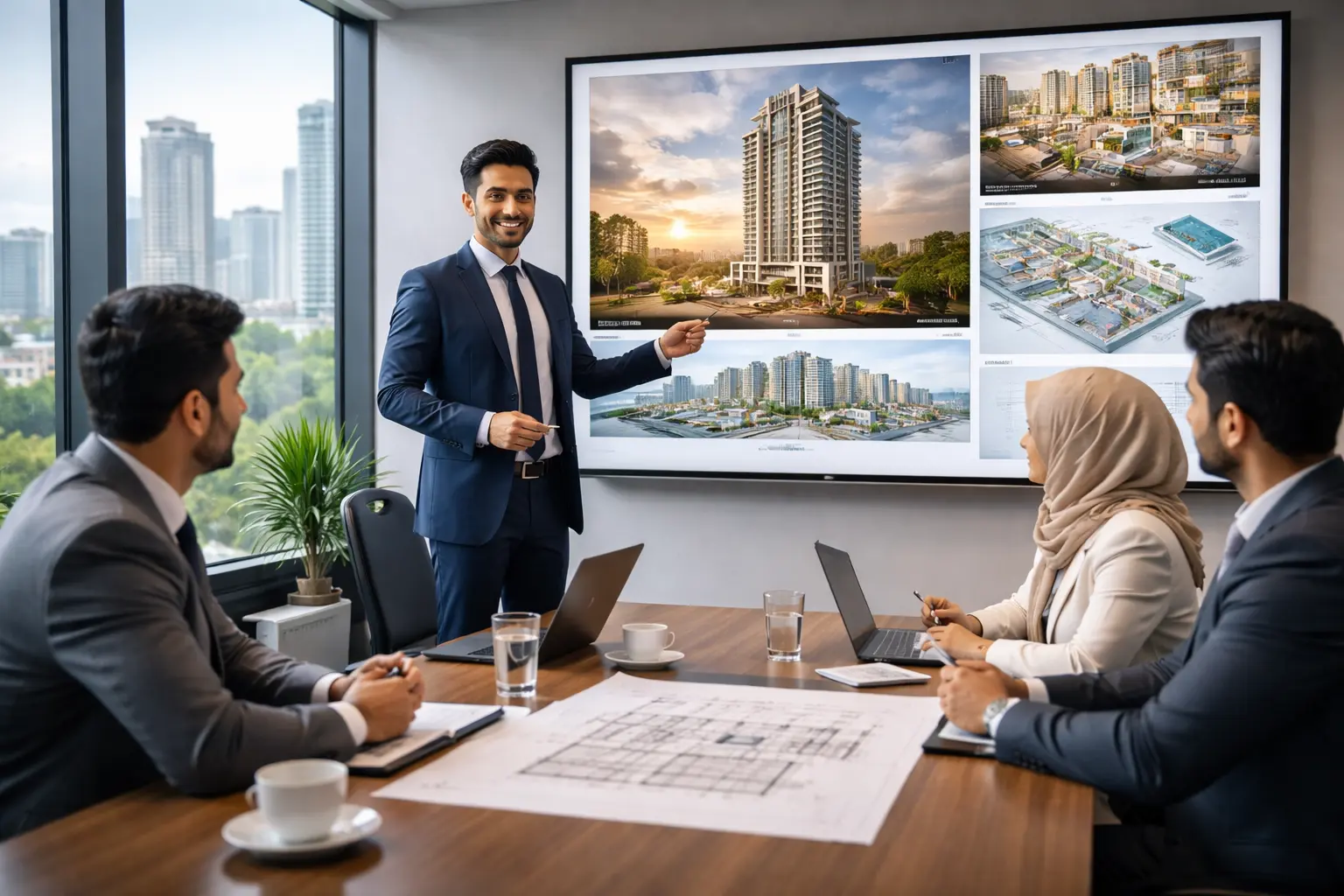
3D architectural visualization, also known as architectural rendering or 3D rendering services, is the process of creating photorealistic digital representations of properties before they’re built or fully furnished. This technology uses advanced computer-generated imagery (CGI) to transform architectural blueprints and design concepts into immersive visual experiences.
Unlike traditional architectural drawings or basic photography, 3D visualization includes:
Interior Renderings – Showcase spatial layouts, furniture arrangements, lighting design, and material finishes with stunning realism.
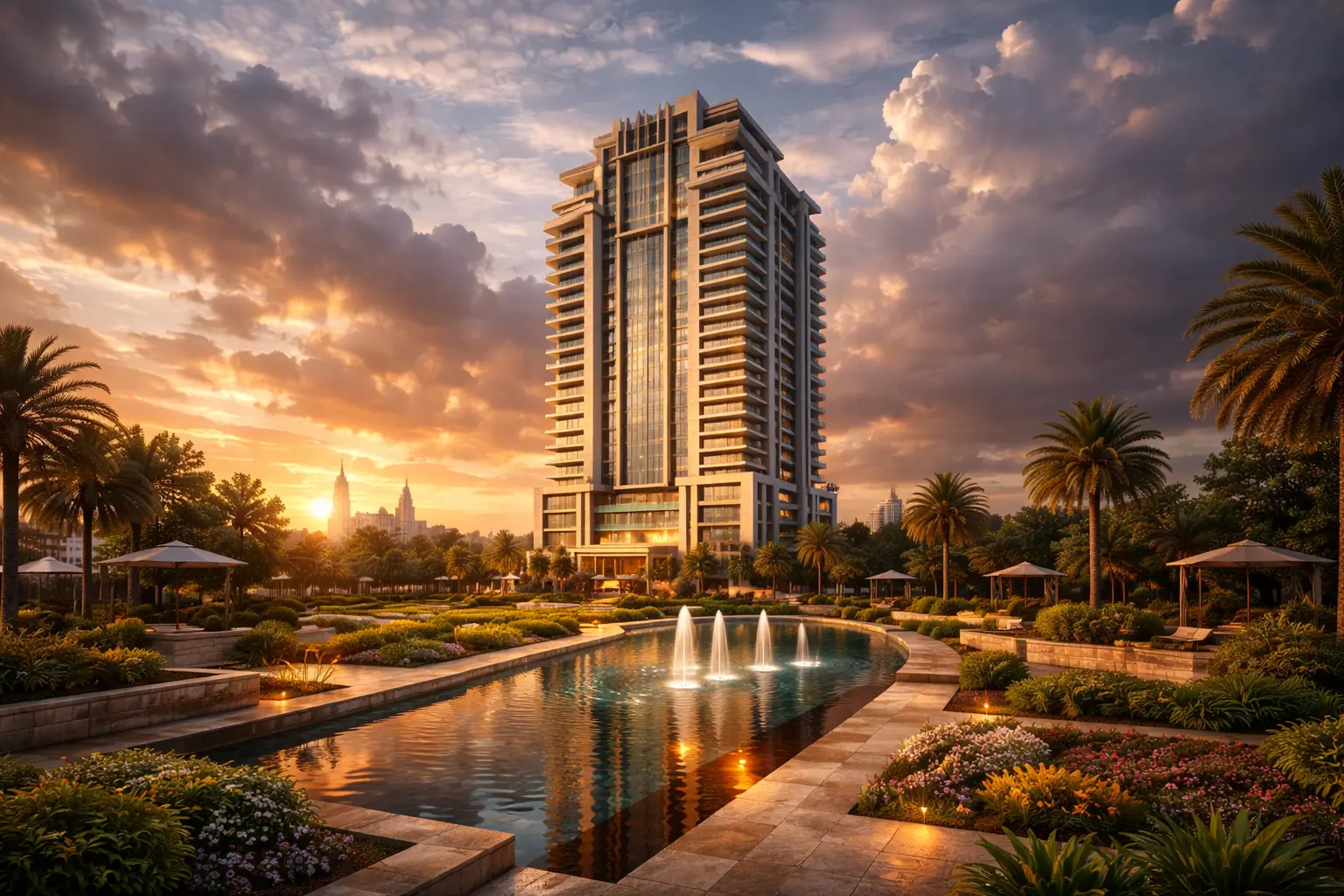
Exterior Renderings – Highlight architectural details, building facades, landscaping, and environmental context.
Virtual Tours – Provide interactive 3D walkthroughs that allow potential buyers to explore every corner of a property from their smartphone or computer.
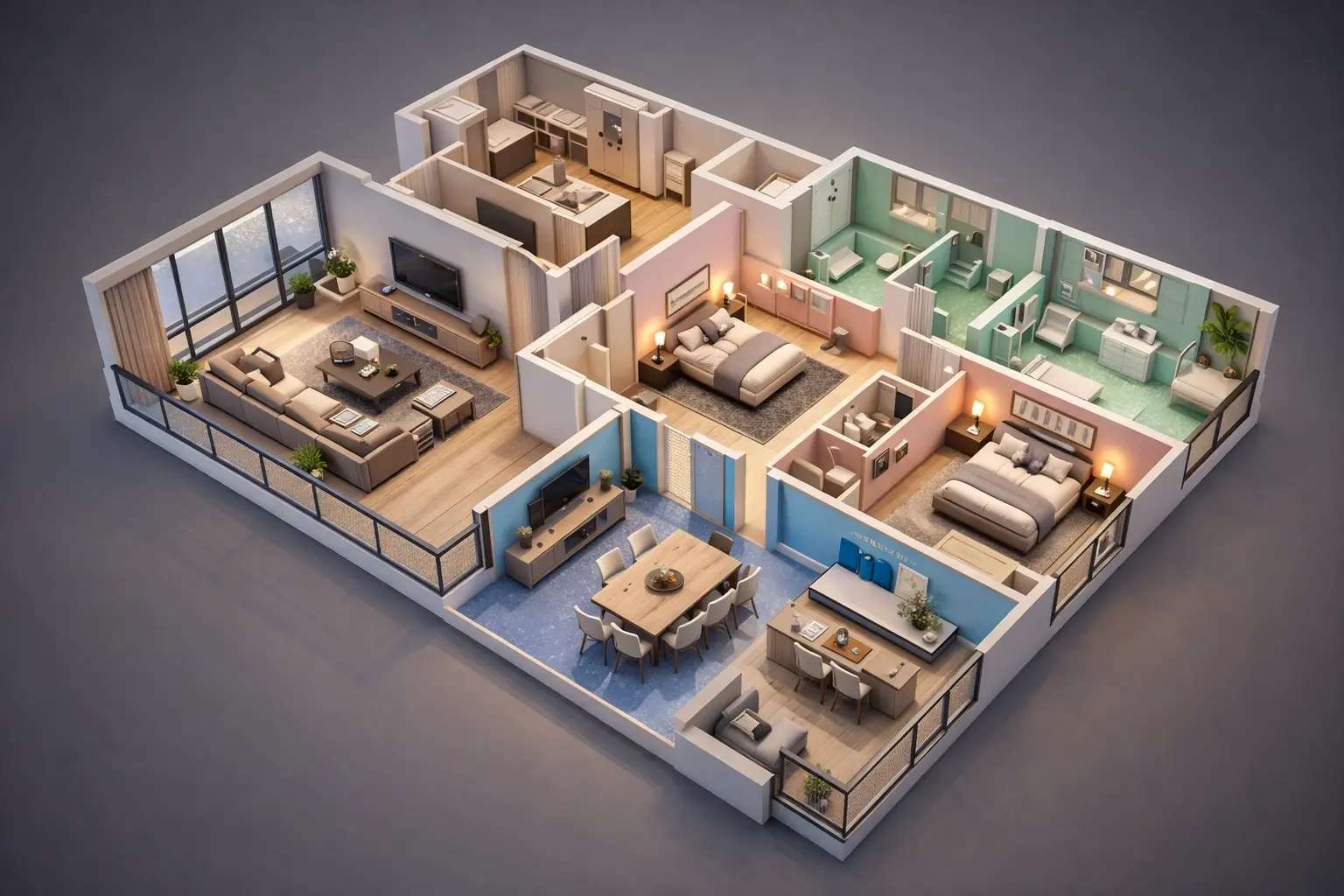
3D Floor Plans – Offer clear, dimensioned views of property layouts that help buyers understand space better than flat 2D drawings.
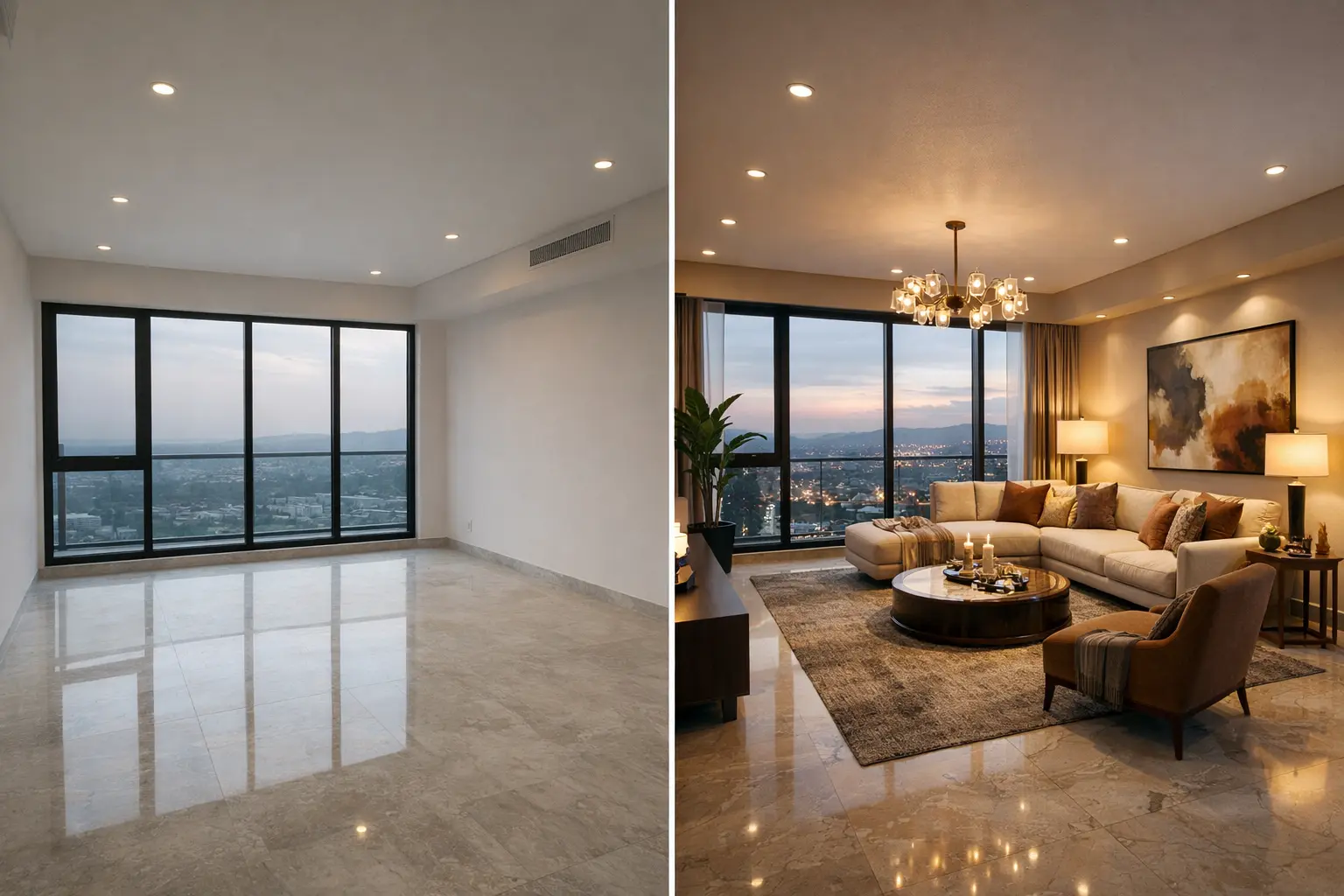
Virtual Staging – Digitally furnish empty spaces to help buyers visualize the full potential of a property.
For developers working on pre-construction projects in areas like DHA Karachi, Bahria Town Lahore, or Blue World City Islamabad, 3D visualization bridges the critical gap between architectural vision and buyer imagination.
The Numbers Don't Lie: Hard Data on 3D Visualization ROI
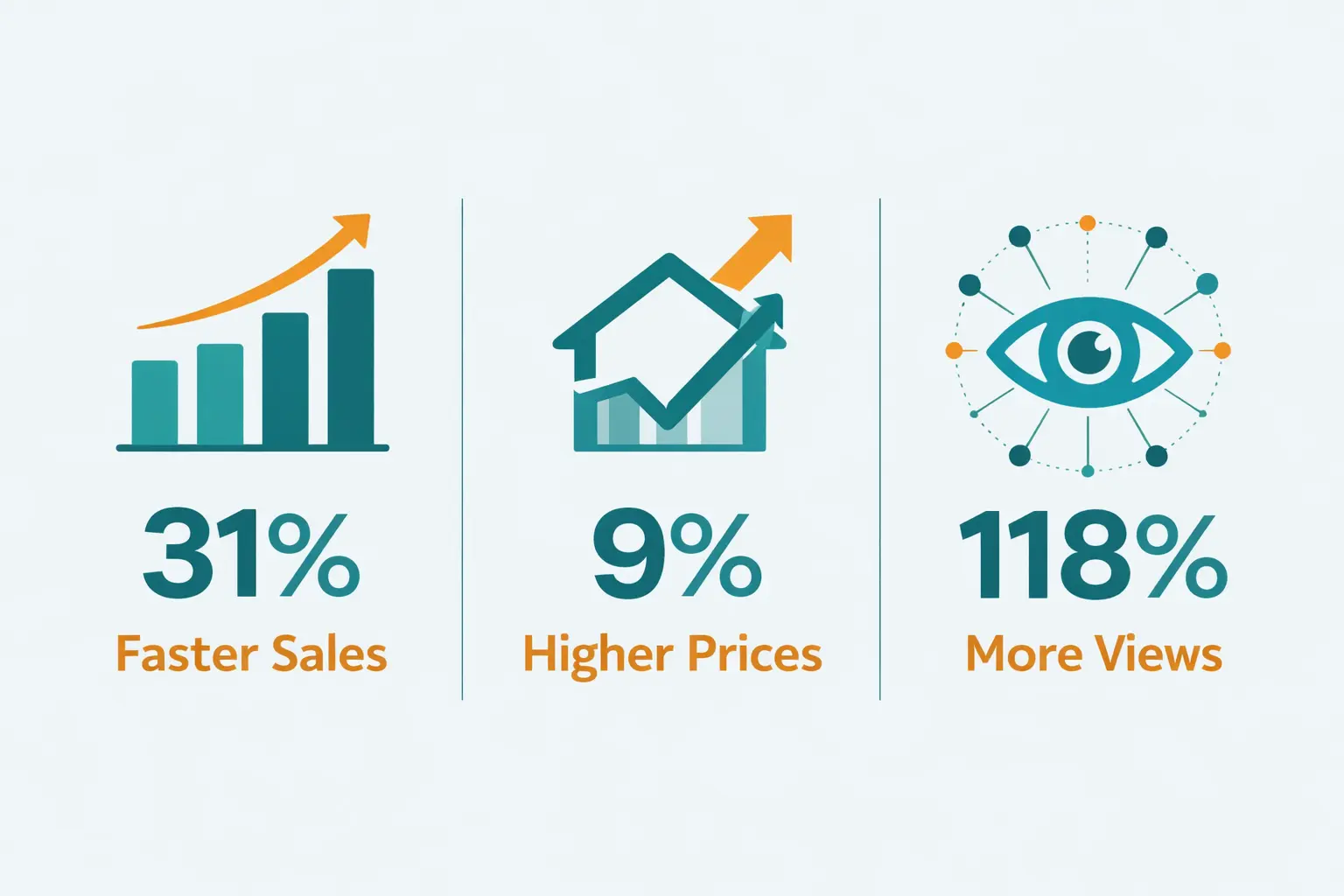
Let's talk about facts. When you invest in professional 3D rendering services, you're not just creating pretty pictures, you're investing in a proven sales accelerator. Here's what the data shows:
Faster Sales Cycles
Properties marketed with 3D visualization sell significantly faster than those relying on traditional marketing methods. Research shows that listings enhanced with 3D visuals sell 20-31% faster than conventional listings. In practical terms, if a typical residential property in Karachi stays on the market for 60-90 days, incorporating 3D renderings and virtual tours can reduce that time to just 40-60 days.
A Dubai-based real estate company sold 70% of new apartments before breaking ground using immersive 3D tours and architectural renderings, attracting foreign investors who never physically visited the location. This pre-sales success story demonstrates the power of virtual property showcasing.
Higher Sale Prices
Properties marketed with high-quality 3D visuals don't just sell faster, they sell for more money. Studies indicate that homes with 3D tours achieve 3-9% higher sale prices compared to similar properties without these visual assets. For a property valued at PKR 2 crore (approximately $720,000), that's an additional PKR 6-18 lakh in your pocket.
Faster Sales Cycles
In Pakistan's digital-first real estate market, where 97% of property buyers use online tools during their search process, visual content is king. Properties with 3D visualization receive:
- 118% more online views compared to standard listings
- 87% higher engagement rates on property portals and social media
- 403% more inquiries from qualified leads
- 5–10x longer time spent on property listing pages
When you consider that 47% of buyers in Pakistan now begin their property search online through platforms like Zameen.com, OLX, and developer websites, these engagement metrics translate directly to faster conversions.
Reduced Physical Showings
Virtual tours and 3D walkthroughs cut down unnecessary physical property visits by up to 40%. This efficiency benefit is particularly valuable for developers managing multiple projects across different locations. Instead of coordinating dozens of site visits with tire-kickers, your sales team can pre-qualify serious buyers who've already experienced the property virtually.
Better Buyer Confidence
According to the National Association of Realtors, 77% of buyers feel more confident in their purchase decision after experiencing a 3D virtual tour. This increased confidence leads to faster decision-making, fewer cancellations, and smoother transactions, critical factors in Pakistan's real estate market where buyers often struggle with trust issues due to incomplete projects and documentation concerns.
Why 3D Visualization is Perfect for Pakistan's Real Estate Market
Pakistan's real estate sector is experiencing unique challenges and opportunities in 2025 that make 3D visualization not just beneficial, but essential:
Addressing the Housing Deficit
With Pakistan facing a projected housing deficit of 20 million units by 2025, developers need to move faster than ever. 3D visualization enables pre-sales marketing for under-construction projects, allowing developers to secure buyer commitments and financing before completing construction. This accelerated cash flow is critical for maintaining project momentum.
Attracting Overseas Pakistani Investors
Overseas Pakistanis represent a massive investment opportunity for real estate developers. However, distance makes traditional site visits impractical. 3D virtual tours solve this problem by providing remote property exploration capabilities. An investor in Dubai, London, or New York can walk through your Gulberg Islamabad apartment or Defence Karachi villa as if they were physically there, all from their laptop or smartphone.
Building Trust Through Transparency
Pakistan's real estate market has historically suffered from trust issues related to incomplete projects and misrepresentation. Photorealistic 3D renderings provide complete transparency, showing buyers exactly what they're investing in, from finishes and fixtures to spatial layouts and amenities. This transparency builds confidence and reduces post-purchase disputes.
Competing in Digital Marketing Channels
With the rise of digital real estate platforms and social media marketing, visual content has become the primary battleground for buyer attention. Instagram, Facebook, and YouTube favor video and immersive visual content. 3D animations and virtual tours are highly shareable, helping your listings go viral and reach exponentially more potential buyers than traditional advertisements.
Supporting Mixed-Use and Smart City Developments
As Pakistan embraces smart city concepts like Capital Smart City Islamabad and Ravi Riverfront Lahore, complex architectural visions require sophisticated visualization tools. 3D rendering allows developers to showcase integrated residential, commercial, and recreational spaces in ways that blueprints simply cannot convey.
How 3D Visualization Accelerates Every Stage of the Sales Funnel
Let's break down exactly how architectural visualization impacts each stage of your property sales process:
Stage 1: Awareness and Attraction
Challenge: Standing out in a crowded marketplace with hundreds of competing listings.
Solution: Eye-catching 3D renderings and animations that stop scrollers in their tracks on social media feeds, property portals, and digital advertisements. A well-crafted exterior rendering of your project against a sunset sky with dramatic lighting creates an emotional hook that static photos cannot match.
Real Result: A Bristol agency replaced traditional photography with dynamic 3D exterior renders and watched click-through rates triple on property listing platforms.
Stage 2: Interest and Engagement
Challenge: Keeping potential buyers engaged long enough to understand your property's value proposition.
Solution: Interactive 3D floor plans and virtual staging that allow buyers to explore spaces, understand layouts, and imagine themselves living there. Unlike passive viewing, interactive experiences create active participation that dramatically increases time-on-page and information retention.
Real Result: Properties with 3D content see visitors spending 5–10 times longer on listing pages compared to standard listings.
Stage 3: Consideration and Evaluation
Challenge: Helping buyers overcome uncertainty about unbuilt properties or visualize the potential of unfurnished spaces.
Solution: Photorealistic interior renderings showing multiple design schemes, furniture arrangements, and finish options. Virtual renovation previews for properties requiring updates. 3D walkthroughs that answer spatial questions before buyers even step foot on site.
Real Result: A downtown loft marketed with complete 3D rendering and virtual renovation preview generated 40% more inquiries within two weeks and received a full-price offer in under 30 days.
Stage 4: Decision and Conversion
Challenge: Converting interested prospects into committed buyers willing to put down deposits.
Solution: Comprehensive virtual tours that provide transparency and build confidence. When buyers can examine every detail, from kitchen countertops to bathroom fixtures to balcony views, they feel informed and ready to commit. For pre-construction sales, 3D visualization makes abstract blueprints tangible and real.
Real Result: Pre-construction developments using 3D visualization report a 40% boost in pre-sales and sales cycles shortened by two months.
Stage 5: Post-Purchase Satisfaction
Challenge: Managing buyer expectations and reducing cancellations or complaints.
Solution: Accurate 3D representations ensure buyers know exactly what they're getting. This transparency eliminates surprises and reduces the risk of buyers backing out when they see the completed property. Developers experience fewer renegotiations and change requests.
Real Result: Properties sold with 3D visualization have significantly lower cancellation rates because buyers' expectations align with delivered reality.
Types of 3D Visualization Services for Real Estate

Understanding the different types of 3D rendering services helps you choose the right tools for your specific projects:
Photorealistic Still Renderings
High-resolution static images that showcase properties in perfect lighting conditions with meticulous attention to materials, textures, and environmental details. Ideal for brochures, website sales, billboards, and print advertising.
Best For: Marketing collateral, property portals, social media posts, sales presentations
3D Virtual Tours and Walkthroughs
Interactive experiences allowing buyers to navigate through properties at their own pace, exploring rooms from multiple angles and perspectives. Can include clickable hotspots highlighting key features.
Best For: Website integration, remote buyer engagement, reducing physical showings, overseas investors
3D Animations and Flythrough Videos
Cinematic video presentations that guide viewers through properties with smooth camera movements, dramatic lighting transitions, and professional narration. These create emotional storytelling opportunities.
Best For: YouTube marketing, social media advertising, project launches, investor presentations
Virtual Staging
Digital furniture and décor added to empty spaces to help buyers visualize potential. Costs 97% less than physical staging while offering unlimited style variations.
Best For: Unfurnished properties, vacant lots, customization options, rental marketing
3D Floor Plans
Dimensional property layouts that clearly show room sizes, spatial relationships, and flow, far more intuitive than traditional 2D blueprints.
Best For: Helping buyers understand space, complementing virtual tours, architectural presentations

Aerial and Drone Perspective Renderings
Bird's-eye views showing properties in context with surrounding neighborhoods, amenities, and infrastructure. Particularly valuable for large developments.
Best For: Master-planned communities, commercial complexes, location-based selling points
Implementing 3D Visualization: A Strategic Approach for Developers
Ready to leverage 3D architectural visualization for your projects? Here's a strategic implementation framework:
Step 1: Define Your Objectives
Are you looking to accelerate pre-sales? Attract overseas investors? Differentiate luxury properties? Reduce site visit costs? Clear objectives help you select the right visualization types and measure ROI effectively.
Step 2: Choose the Right Visualization Partner
Not all 3D rendering services are created equal. Look for:
- Portfolio Quality: Review previous work for photorealism, attention to detail, and architectural accuracy
- Industry Experience: Providers familiar with Pakistan's real estate market understand local architectural styles and buyer preferences
- Technical Capabilities: Ensure they can deliver interactive tours, animations, and various output formats
- Turnaround Time: Fast delivery is critical when you're launching projects or responding to buyer requests
- Revision Flexibility: Real-time rendering workflows allow quick adjustments to layouts, colors, and features
Step 3: Provide Comprehensive Project Information
Quality renderings require quality inputs. Supply your visualization partner with:
- Detailed architectural plans and elevations
- Material and finish specifications
- Brand guidelines and color schemes
- Site context and environmental details
- Specific shots or angles you need highlighted
Step 4: Integrate Visuals Across All Marketing Channels
Don't limit your 3D assets to just your website. Deploy them across:
- Property Listing Platforms: Zameen.com, OLX, Graana
- Social Media: Facebook, Instagram, YouTube, TikTok
- Email Marketing: Newsletters, targeted campaigns to investor lists
- Print Collateral: Brochures, billboards, newspaper advertisements
- Sales Centers: Large-format displays, interactive touchscreens
- CRM Systems: Automated follow-up sequences with embedded virtual tours
Step 5: Leverage Analytics for Optimization
Modern 3D tour platforms provide valuable analytics:
- Heatmaps showing which rooms buyers spend most time exploring
- Hotspot click tracking revealing features that generate most interest
- Session duration metrics indicating engagement levels
- Conversion tracking from virtual tour to inquiry
Use this data to refine your sales approach and highlight the features that matter most to your target buyers.
3D Floor Plans
Overcoming Common Objections to 3D Visualization Investment
It’s Too Expensive
Reality Check: Professional 3D rendering costs are a fraction of traditional staging expenses. Physical staging can cost PKR 5–10 lakh or more for a luxury property, while virtual staging and 3D visualization typically range from PKR 1–3 lakh for comprehensive packages.
Given that properties with 3D visualization sell 20–31% faster and for 3–9% higher prices, the ROI is undeniable. For a PKR 2 crore property, selling just 20% faster could save 15–20 days of holding costs, marketing expenses, and opportunity cost. The additional 5% in sale price (PKR 10 lakh) alone covers your visualization investment multiple times over.
Buyers Want to See the Real Property
Reality Check: 3D visualization doesn’t replace physical viewings; it enhances and accelerates them. Virtual tours pre-qualify serious buyers, so the people who do show up for physical viewings are already invested and informed. This increases conversion rates while reducing wasted time on unqualified leads.
My Properties Speak for Themselves
Reality Check: Perhaps they do—but only to the 5–10 buyers who physically visit. What about the hundreds or thousands of potential buyers scrolling through property listings online?
In a market where 97% of buyers use digital tools during their search, invisible properties don’t sell. If your project doesn’t stand out visually online, it simply gets skipped.
The Technology Is Too Complex
Reality Check: Working with professional 3D visualization studios like IntwoPixel makes the process seamless. You provide architectural plans and preferences; they handle all technical aspects and deliver ready-to-use visual assets formatted for every marketing channel.
Real-World Success Stories: 3D Visualization in Action
Luxury Residential Project in Karachi
Challenge: A developer launching a 15-story luxury apartment building in Defence Karachi needed to secure pre-sales commitments to finance construction completion.
Solution: Comprehensive 3D visualization package including photorealistic exterior renderings showcasing the building at different times of day, interior renderings of multiple apartment layouts, virtual tour allowing exploration of common areas and sample units, and 3D floor plans for all configurations.
Result:
- Achieved 60% pre-sales within 90 days of marketing launch
- Average time from inquiry to deposit reduced from 45 days to 22 days
- 78% of international investors committed without physical site visits
- Project fully sold before construction completion
Commercial Mixed-Use Development in Lahore
Challenge: A mixed-use project combining retail shops, office spaces, and residential apartments needed to attract different buyer segments simultaneously.
Solution: Customized 3D renderings targeting each audience, retail visualizations emphasizing foot traffic and storefront appeal, office renderings highlighting modern work environments and amenities, residential walkthroughs focusing on lifestyle and convenience.
Result:
- 40% faster lease commitments in commercial spaces
- Residential units sold at 12% premium over comparable projects
- Retail occupancy rate of 85% secured before building completion
The Future of 3D Visualization in Pakistan's Real Estate
As we look ahead, several emerging trends will make 3D visualization even more impactful.
Virtual Reality (VR) Integration
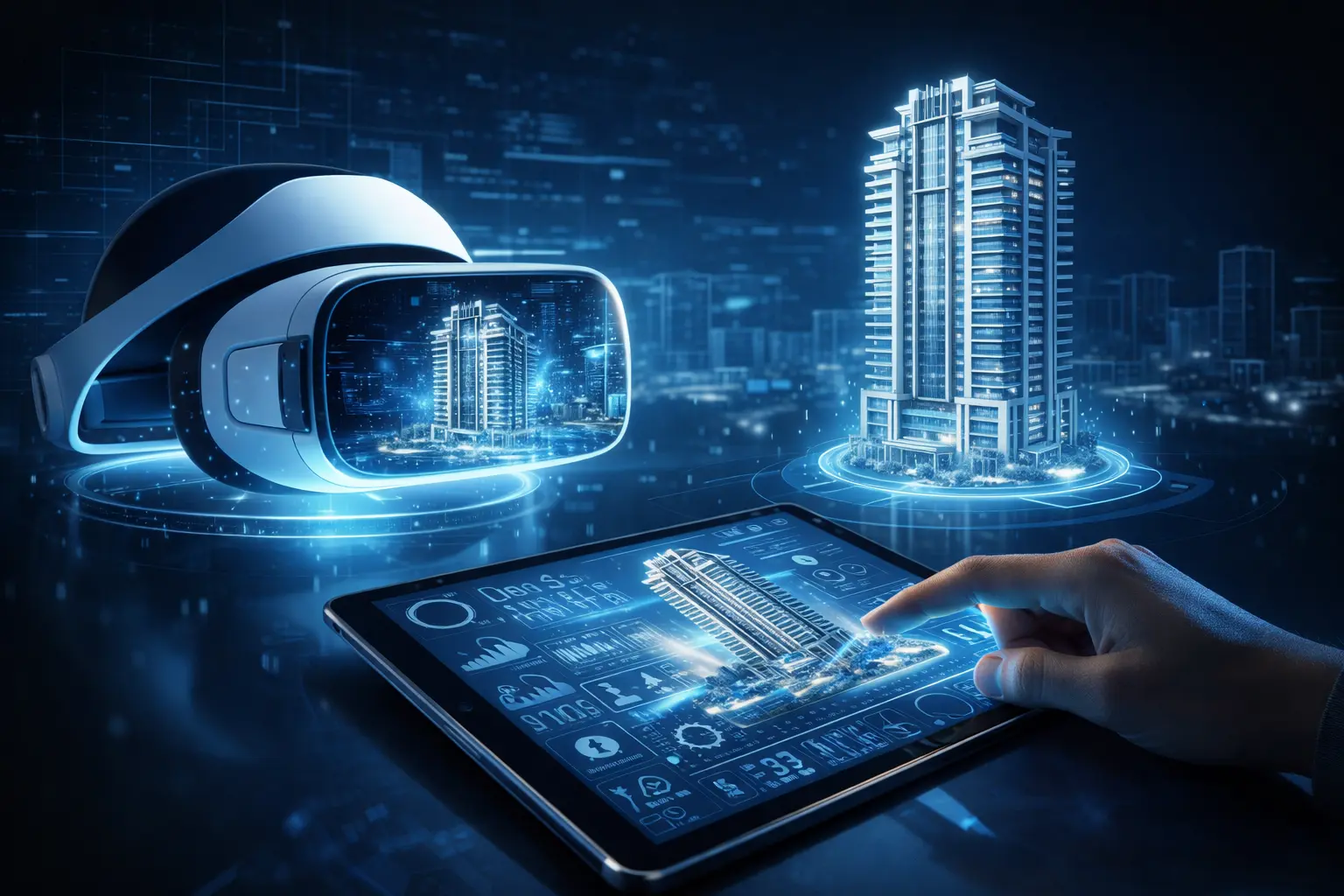
Fully immersive VR experiences using headsets will become more accessible, allowing buyers to “walk through” properties with unprecedented realism. Early adopters are already using VR at sales centers to create memorable experiences.
Augmented Reality (AR) Applications
Mobile AR apps will enable buyers to visualize properties in context, pointing their smartphone at an empty plot to see a 3D building overlay, or viewing furniture placement options in real-time within empty rooms.
AI-Powered Customization
Artificial intelligence will enable instant visualization variations, allowing buyers to see different color schemes, finishes, or layouts in real-time during consultations. This personalization accelerates decision-making.
Real-Time Rendering
Cloud-based rendering technology will eliminate wait times, enabling architects and developers to make design adjustments and see photorealistic results instantly during client meetings.
Metaverse Property Showcasing
As virtual worlds and metaverse platforms gain adoption, forward-thinking developers will showcase properties in immersive digital environments, reaching global audiences in entirely new ways.
Getting Started with 3D Visualization for Your Projects
The real estate market in Pakistan is evolving rapidly. Developers who embrace 3D visualization technology today position themselves as industry leaders tomorrow. Here's how to take the first step:
Evaluate Your Current Portfolio: Which projects would benefit most from 3D visualization? Pre-construction developments, luxury properties, and complex architectural designs typically see the highest ROI.
Research Visualization Partners: Look for studios with proven experience in real estate rendering, strong portfolios, and understanding of Pakistan’s market dynamics. IntwoPixel specializes in transforming architectural visions into compelling visual stories that sell.
Start Small, Scale Smart: Begin with a pilot project, perhaps your most important upcoming launch. Measure results carefully—time to sell, engagement metrics, conversion rates. Once you see the impact, expand visualization across your entire portfolio.
Invest in Training: Ensure your sales team understands how to leverage 3D assets effectively. Virtual tours and renderings are powerful tools, but only if used strategically in sales conversations.
Think Long-Term: As 3D visualization becomes industry standard, properties without these visual assets will increasingly struggle to compete. Building visualization into your development process from the beginning creates a lasting competitive moat.
Conclusion: The Competitive Advantage You Can't Afford to Ignore
In Pakistan’s booming real estate market, with interest rates falling, inflation controlled, and urbanization accelerating, the question isn’t whether you should invest in 3D visualization. The question is: can you afford not to?
When properties sell 20–31% faster, command 3–9% higher prices, and generate 118% more online engagement, the ROI is crystal clear. When buyers increasingly expect immersive digital experiences before making purchase decisions, traditional marketing methods leave you at a severe disadvantage.
3D architectural visualization is no longer a luxury reserved for ultra-premium developments; it’s a strategic necessity for any developer serious about maximizing sales velocity and property values.
The developers winning in Pakistan’s competitive markets today are those who understand that selling real estate is about selling dreams, possibilities, and emotional connections. 3D visualization is the bridge that transforms architectural concepts into buyer imagination, turning abstract blueprints into tangible futures.
Ready to accelerate your property sales? The technology exists. The proven results speak for themselves. The only question is: will you lead the market or follow it?
Take Action Today: Transform your next project with professional 3D architectural visualization and experience the difference in your sales timeline, pricing power, and buyer confidence.Contact Us Now!
Frequently Asked Questions (FAQs)
Q1: How much does professional 3D architectural visualization cost in Pakistan?
The cost varies based on project complexity, number of renderings, and level of detail required. For a typical residential project, expect to invest PKR 50,000–150,000 for a basic package including exterior and interior renderings. Comprehensive packages with virtual tours and animations range from PKR 200,000–500,000.
Consider this in context: physical staging can cost PKR 500,000+ and must be repeated for each property, while 3D visualization is a one-time investment with unlimited reusability. The typical ROI, faster sales, and higher prices recover these costs within the first few sales.
Q2: How long does it take to create 3D renderings for a real estate project?
Timeline depends on project scope and complexity. Simple exterior renderings can be completed in 3–5 business days. Interior renderings with detailed furnishing typically require 5–7 days. Comprehensive virtual tour development may take 2–3 weeks for complex properties.
Professional studios like IntwoPixel work on accelerated schedules when needed, with express delivery options available for urgent project launches. The key is providing complete architectural plans and specifications upfront to avoid revision delays.
Q3: Can I use 3D visualization for properties still under construction?
Absolutely, this is one of the most powerful applications of 3D visualization. Pre-construction marketing using photorealistic renderings enables you to secure buyer commitments and financing before breaking ground.
Many successful developments sell 50–70% of units during pre-construction phase using 3D visualization, providing critical cash flow for construction completion. This approach is particularly effective for attracting overseas Pakistani investors who cannot visit construction sites regularly.
Q4: Will 3D renderings look exactly like the finished property?
When created by professional visualization studios using accurate architectural plans and specifications, 3D renderings achieve 95%+ accuracy in representing the final property.
Minor variations may occur due to material availability or construction adjustments, but the overall design, layout, and aesthetic remain faithful to the visualization. This accuracy is precisely why 3D visualization builds buyer confidence, it provides transparent, honest representation rather than misleading marketing images.
Q5: Do I need special software to share 3D virtual tours with buyers?
No specialized software is required. Modern 3D virtual tours are web-based and accessible through any standard internet browser on computers, smartphones, and tablets.
Buyers simply click a link to explore properties, no downloads, no apps, no technical barriers. This accessibility is crucial for reaching Pakistan’s mobile-first property buyers. Some advanced VR experiences may require headsets, but these are optional enhancements rather than requirements.
Q6: How do I measure ROI from investing in 3D visualization?
Track these key metrics before and after implementing 3D visualization: average days on market (time from listing to sale), sale price as percentage of asking price, number of property inquiries per listing, conversion rate from inquiry to site visit, conversion rate from site visit to offer, website traffic and engagement time, social media engagement rates, and cost per qualified lead.
Compare these metrics for properties marketed with and without 3D visualization to quantify impact. Most developers see measurable improvements within their first project.
Q7: Can 3D visualization help sell commercial properties or just residential?
3D visualization is highly effective for all property types, residential, commercial, industrial, and mixed-use developments.
Office spaces benefit from renderings showing modern work environments and tenant buildout possibilities. Retail properties use visualization to demonstrate foot traffic flow and storefront appeal. Warehouses and industrial facilities showcase functionality and logistics efficiency. The versatility of 3D rendering makes it valuable across the entire real estate spectrum.
Q8: What’s the difference between 3D rendering and virtual staging?
3D rendering creates photorealistic images of properties from architectural plans, useful for pre-construction marketing and showcasing design vision.
Virtual staging adds digital furniture and décor to photographs of empty spaces, useful for helping buyers visualize potential in existing properties. Both techniques can be combined: render the architecture, then virtually stage multiple interior design options to appeal to different buyer preferences.
Q9: Can buyers customize properties they see in 3D visualizations?
Yes, this is an emerging capability that dramatically accelerates decisions. Advanced 3D platforms allow real-time customization where buyers can select different flooring materials, wall colors, kitchen finishes, furniture arrangements, and more, seeing instant updates in the visualization.
This interactivity creates an ownership mentality even before purchase, leading to stronger emotional commitment and faster conversions.
Q10: Is 3D visualization worth it for smaller developments or individual properties?
Absolutely. While large-scale developments see obvious benefits, individual properties and smaller projects often achieve even higher percentage ROI from 3D visualization.
A single luxury villa selling for PKR 5 crore that commands just 5% higher price due to superior marketing (PKR 25 lakh increase) can justify significant visualization investment. Even smaller properties benefit from increased online engagement and reduced time on market, freeing up capital for your next investment faster.
Latest Blogs
View All Blogs →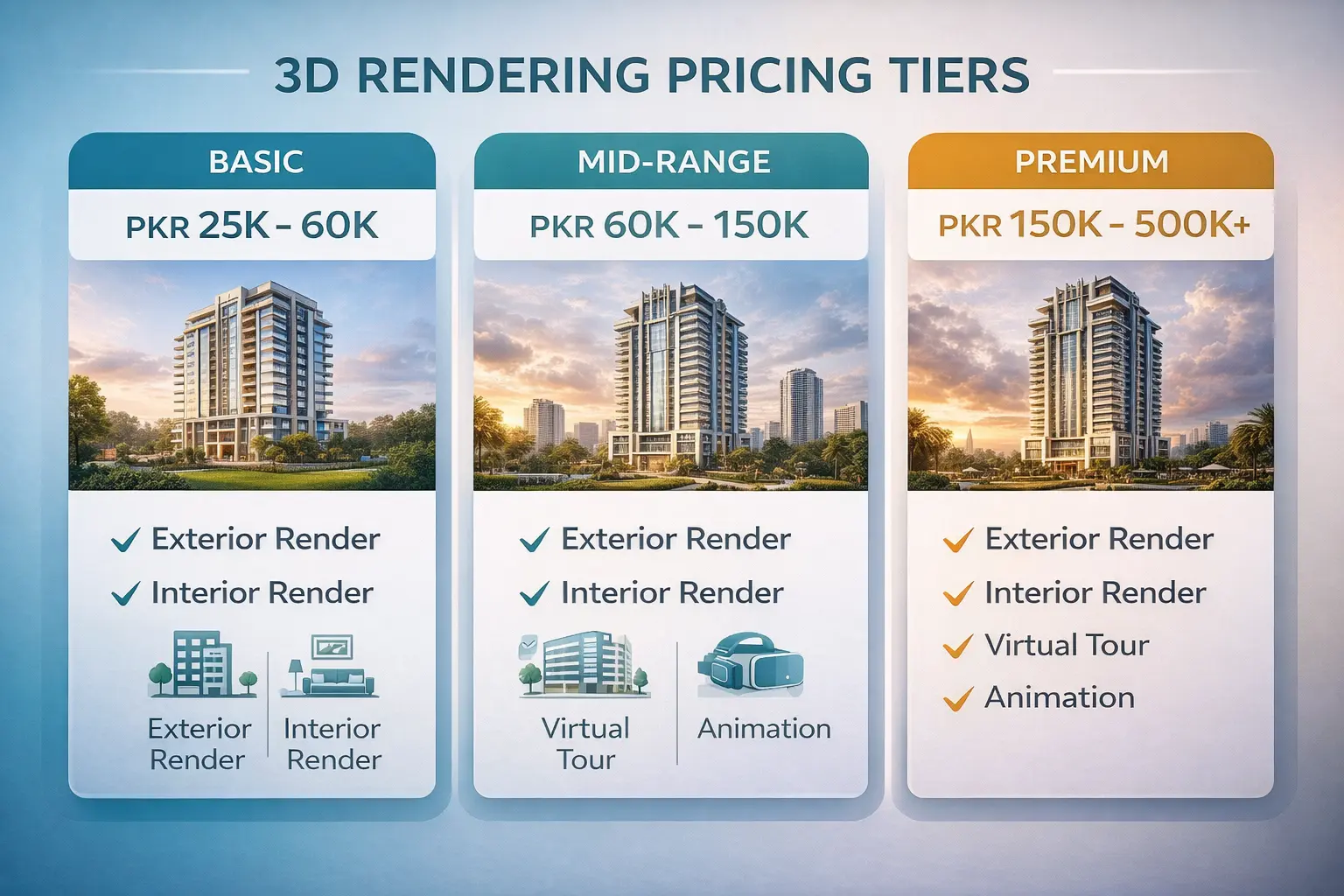
How Much Does 3D Rendering Cost in Pakistan? Pricing Guide
Complete 3D rendering cost guide Pakistan 2025. Real rates: PKR 15K-250K per image. Budget planning, pricing models, hidden fees, ROI tips for developers.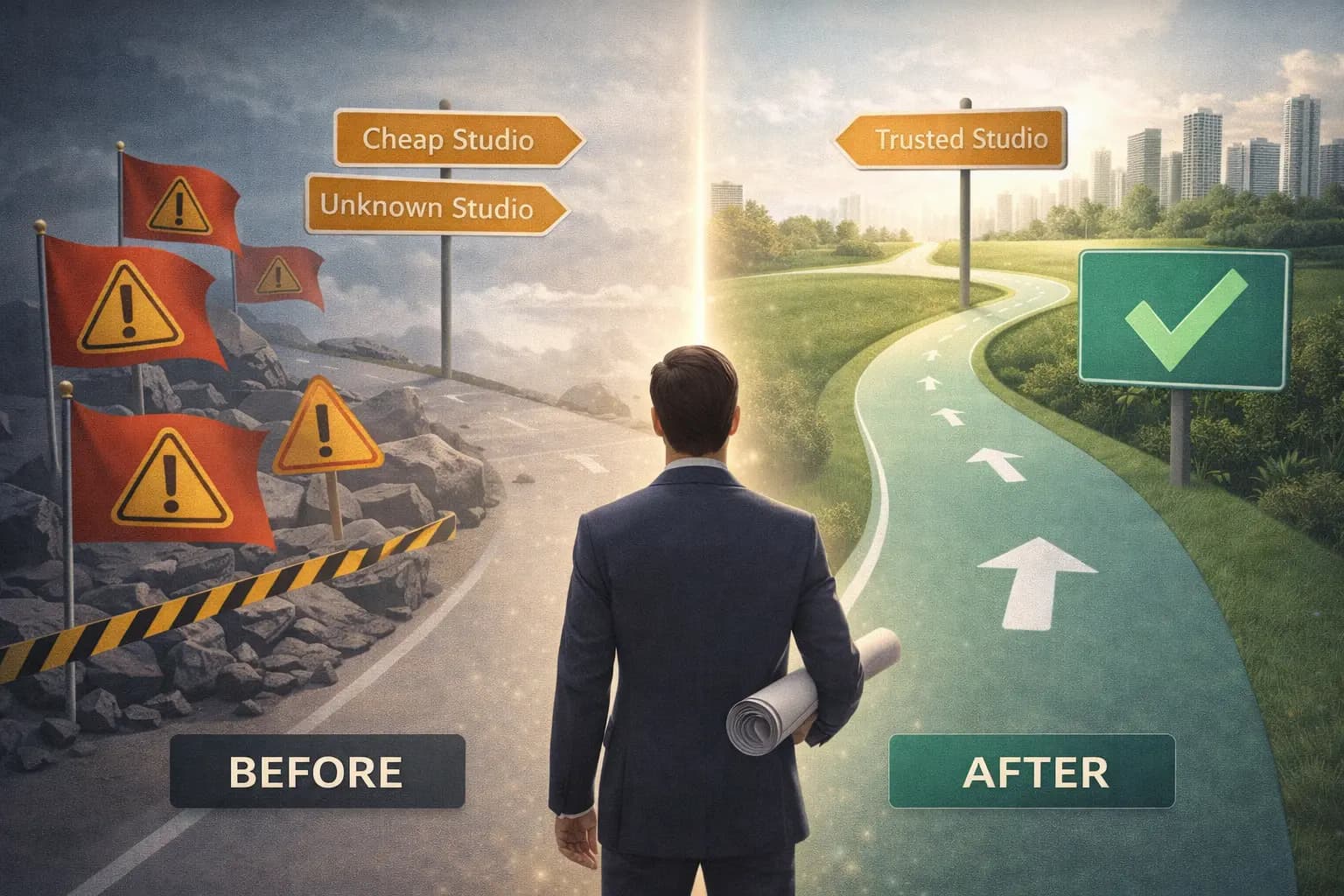
10 Mistakes Hiring 3D Visualization Studios (+ How to Avoid)
What to look for when hiring a 3D visualization studio for your real estate project — common mistakes and how developers worldwide can avoid them.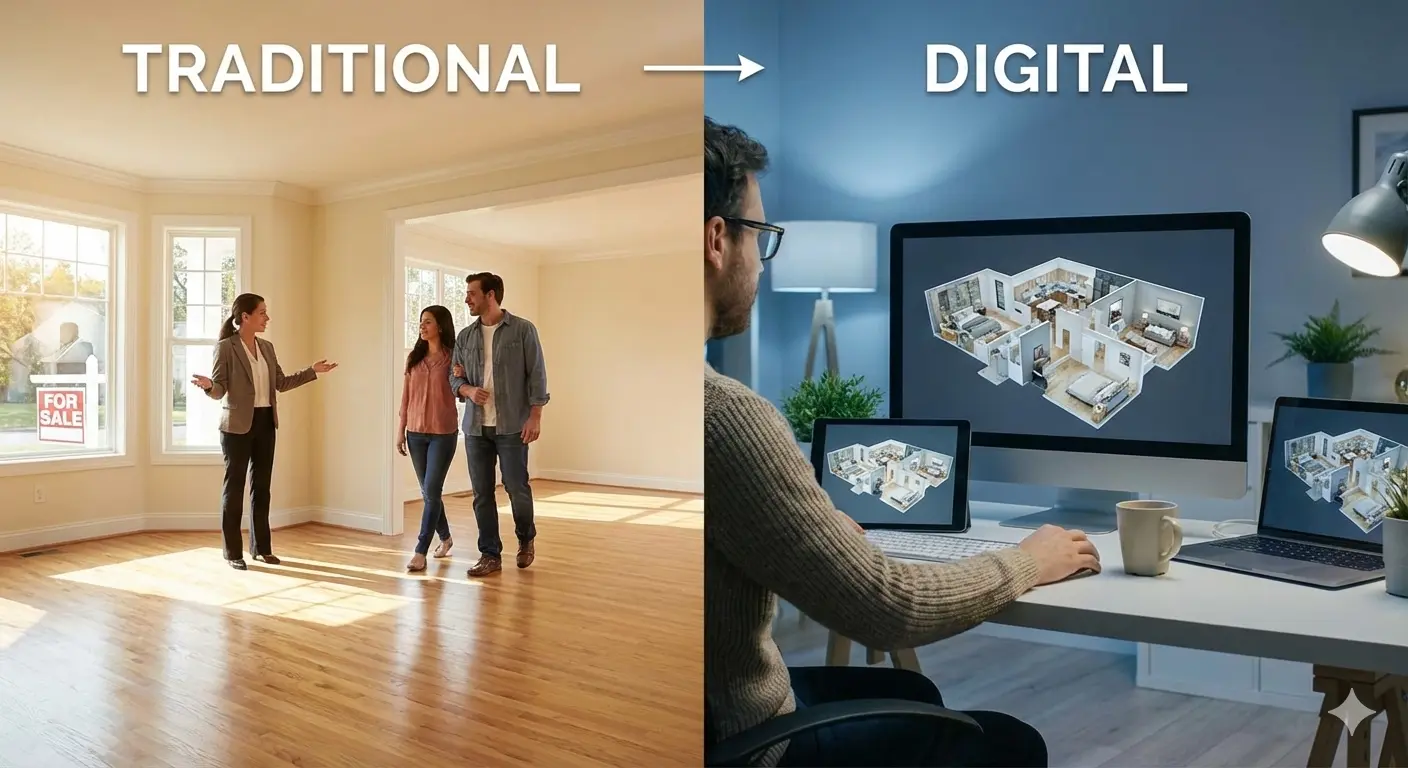
Virtual Tours vs Physical Visits: Why Developers Go Digital
Why 40% of real estate developers are switching to virtual 3D property tours — ROI analysis, buyer engagement data, and hybrid strategy guide.Developer & Investor Insights
Practical guidance for real estate developers worldwide on using interactive 3D visualization to sell off-plan properties faster and more effectively.
3D & Visualization Strategies
How architectural renders, interactive 3D walkthroughs, and virtual property tours influence buyer decisions in the global off-plan market.
Real Estate Sales Intelligence
Data-driven insights on buyer behavior, off-plan pricing psychology, and digital sales strategies for real estate developers worldwide.
